The time of initiation of Earth’s geodynamo has fundamental implications for planetary evolution and the ability of Earth to sustain life. Magnetite inclusions within detrital zircon (ZrSiO4) grains older than 4 billion years are a potential record of the early Earth’s geomagnetic field and may constrain geodynamo development. However, correctly interpreting the magnetic records from zircon grains is contentious due to the difficulty in quantifying the timing of magnetite formation. APT studies of zircon show that thermal disturbance of the Earth’s crust may result in the migration of trace elements to nanoscale clusters. Pb derived from the radioactive decay of U, and captured in such clusters, records the isotopic composition of the matrix zircon at the time of heating and provides a means of establishing when trace element mobility took place. This approach is applied to highly magnetic zones of a 4-billion-year-old zircon from Jack Hills to investigate coupled Pb and Fe mobility and establish the time of magnetite formation. The APT data record clusters with elemental and isotopic variations consistent with formation during two discrete thermal events at 3.4 billion years ago and < 2 billion years ago, with only the younger population being Fe-bearing. The results indicate that magnetite in Jack Hills zircons do not record a magnetic signal of the early-Earth, but are over 2 billion years younger. In addition, the results demonstrate the novel capability of APT to yield direct age constraints on Fe mobility in ancient minerals and provide a framework for future testing of the age of the palaeomagnetic signal recorded in early-Earth zircon.
Available on demand at our free Thinkific website.
About the presenter:
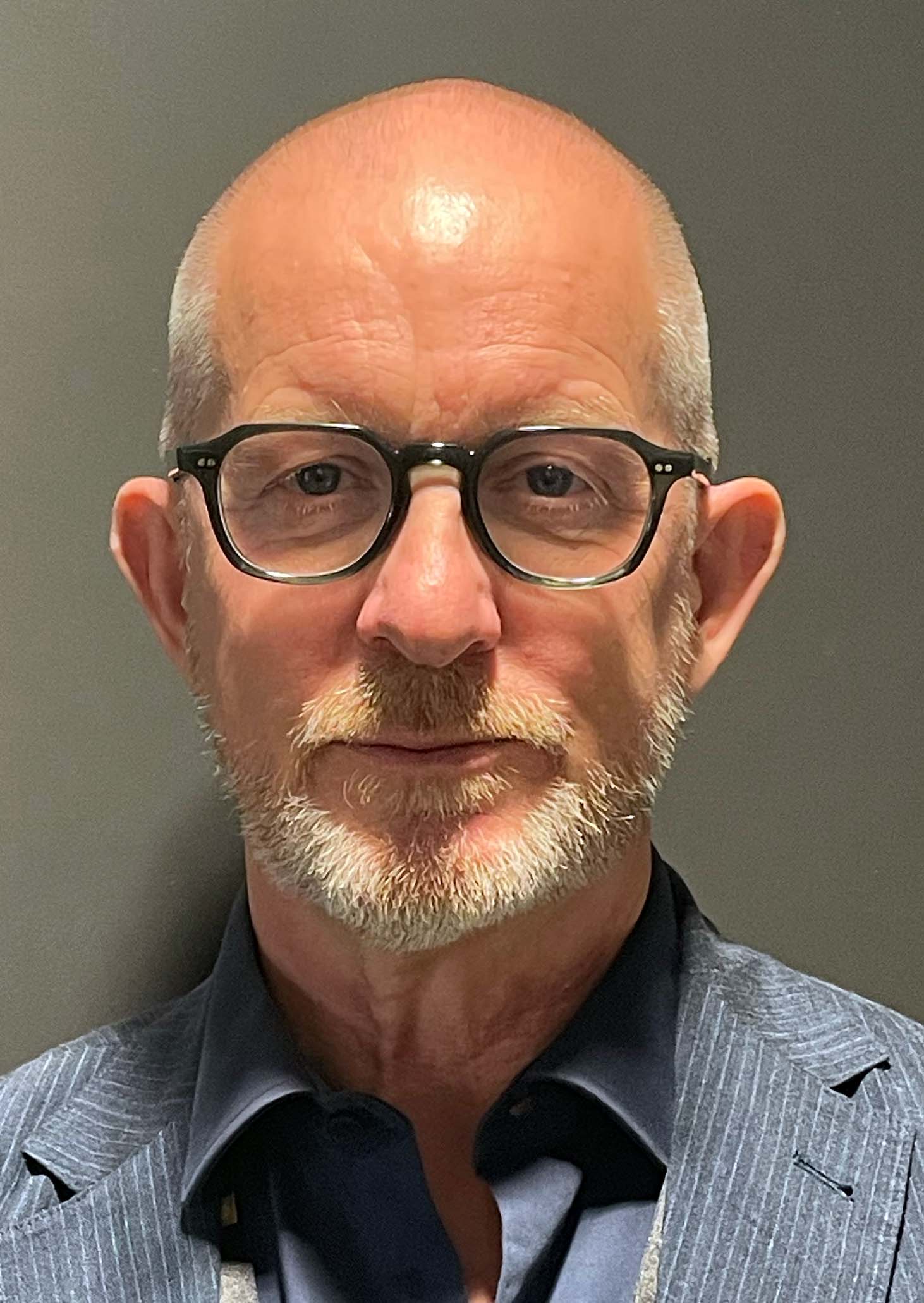
Steven Reddy
Dean of Research | Faculty of Science and Engineering
Science Director | Geoscience Atom Probe
Professor | School of Earth and Planetary Sciences
Curtin University
Professor Steven Reddy is a geoscientist with research interests spanning large-scale tectonics, rock deformation and advanced mineral characterisation. He is Science Director of the Geoscience Atom Probe Facility at Curtin University, Perth, Western Australia, and has spent the last decade undertaking research on the development and application of atom probe tomography to the geosciences. His contributions to this field have resulted in him being made a Fellow of the International Field Emission Society and an awardee of the John Sanders Medal from the Australian Microscopy and Microanalysis Society. He is currently the Dean of Research for Curtin University’s Faculty of Science and Engineering.